
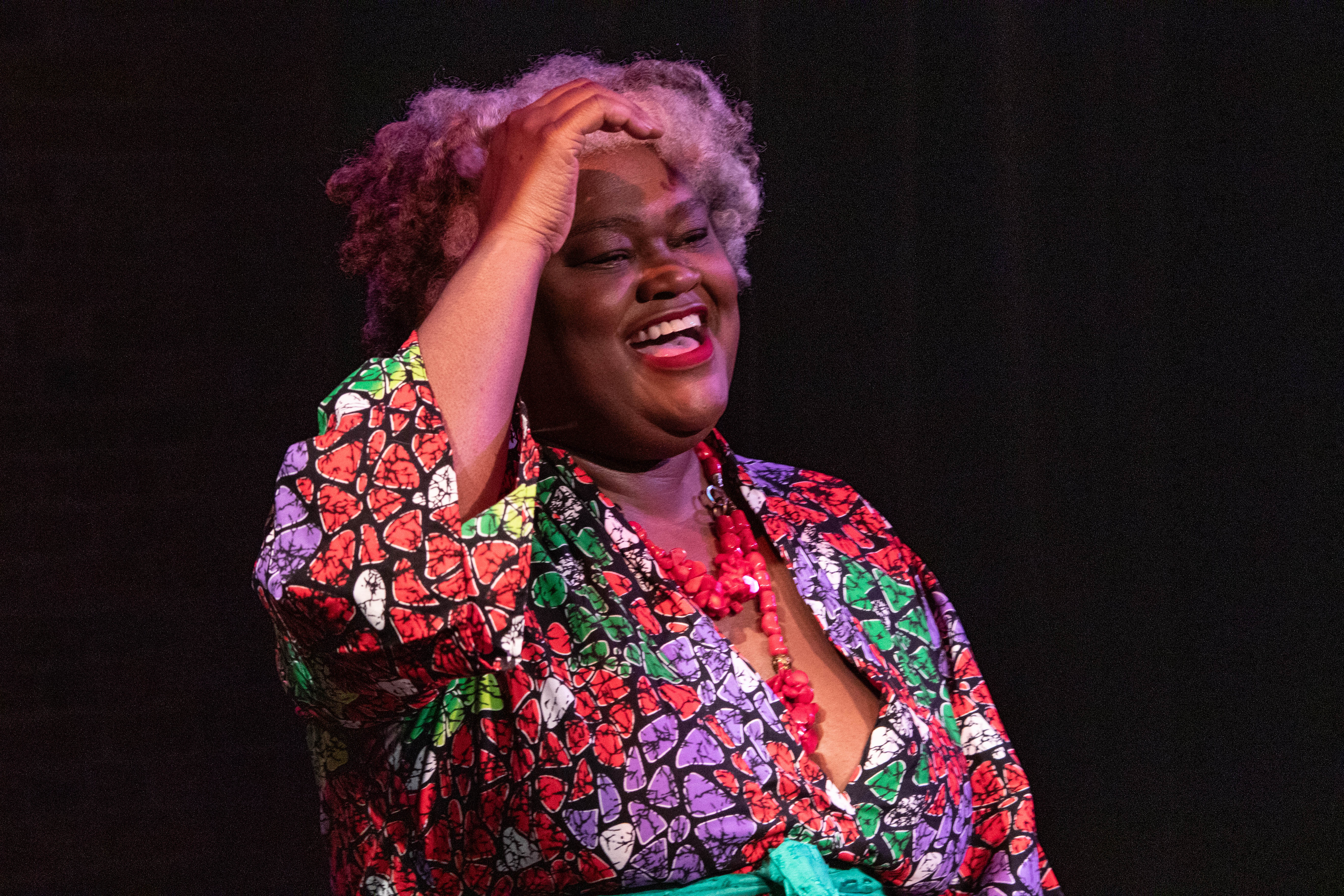
Cynthia C. Harris, MPH
Founding Playwright
Ms. Harris has been committed to the advancement of women through art, education, research, activism, and outreach over the past 15 years. In her capacity as a Project Coordinator with Emory University, Vanderbilt University, and Meharry Medical College, she developed and implemented policies, trainings, and outreach materials integral to the recruitment and retention of women of color into inter-disciplinary health disparities research studies.
Since 2002, Ms. Harris has created and performed works that capture the experiences of women of color. “Phrases of Womanhood”, a text and movement performance was created for the women of the dance company The Village Drum and Dance Ensemble which was funded by the Metro Nashville Arts Commission and the Tennessee Art Commission. The performance explores issues of gender, identity, body image, personhood, spirituality, community and African heritage.
“Why Won’t She Leave?” (WWSL) was originally written in 2005 and after presenting small community- based performances, the work was shared during the 2006 National Black Arts Festival in Atlanta, GA. WWSL was developed into a domestic violence educational tool and many community members and artists have been trained to present the work for national audiences. Through large & small community sponsored gatherings, national conferences, and arts festivals, hundreds of community members have viewed the performance. Collaborators and sponsors have included the Village Cultural Arts Center, The Black Church and Domestic Violence Institute, Beautician’s Local #3, the National Black Arts Festival, and the U.S. Department of Health and Human Services. Ms. Harris has also created workshops and presentations for Planned Parenthood of Middle Tennessee’s PG-13 Players, Vanderbilt University, and the Davidson County Sheriff’s Office.
In 2014, the initial qualitative data collected for the Reinvention Project with Actors Bridge Ensemble, eventually led to other world premieres for Ms. Harris: How to Catch a Flying Woman (2018) The Calling is in the Body (2022), Mama Stories (2025).
Contact Cynthia C. Harris, MPH
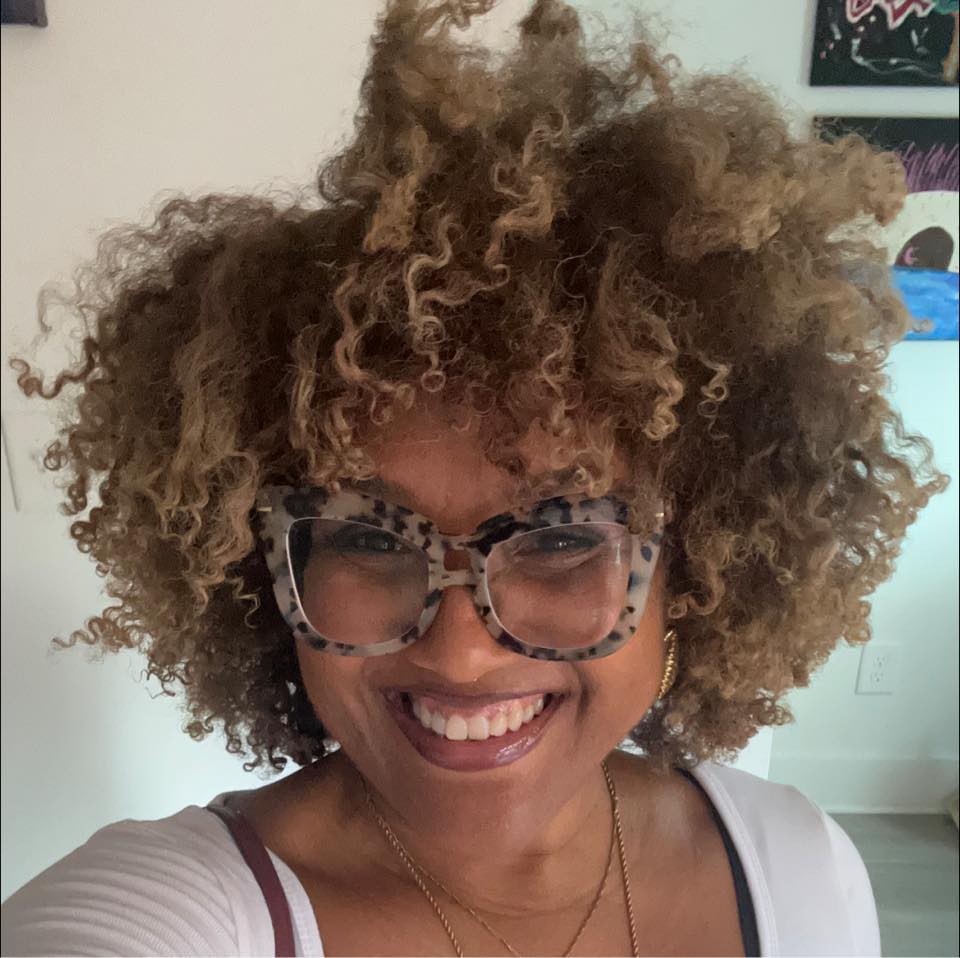
OlaOmi Amoloku, MA, ABD
Master Strategist – Literary and Creative Arts
OlaOmi Amoloku is a PhD student of Comparative Studies in Literature at Florida Atlantic University. Her research focuses on the rich inner lives of Black women, non-binary people and femmes and how it informs Afrofuturism as a literary genre. Her Master’s degree is from Middle Tennessee State University, where she received the Scholar’s Week Award for best research project among liberal arts students for her essay “Hellcats, Bitches and Succubi: Afrofuturism and Black Female Selfhood in Lilith’s Brood,” in 2018. As a graduate student instructor at Florida Atlantic University she has taught courses on Africanjujuism, Global Perspectives in Afrofuturism and Interpretation of Fiction. She is the founder of the Got2BOshun organization that uses the principles of traditional African religion to empower Black women and femmes.
Dia Hodnett, MPH
Master Strategist – Health, Environment and Justice
Dia S. Hodnett, MPH, is a steward of social transformation and creative engagement. Recognized for innovative applications of public health practice, building multidisciplinary creative teams, and managing collaborative partnerships through an intersectional lens, Dia has contributed to initiatives addressing women’s health, anti-black racism, reproductive justice, arts-based health education, outdoor learning and environmental stewardship, and community-based research. Dia’s work in leadership development, organizational technical assistance, curriculum and training design, and communications strategy have supported health advocacy and social justice efforts across the globe. Dia’s formal education includes a B.A. in English Literature from Vanderbilt University and a Master of Public Health degree, with a Behavioral Science and Health Education concentration, from Emory University’s Rollins School of Public Health. As a research partner and development advisor, she co-creates a process model for producing work centered around Southern Black women’s ethos and practice of interacting, communing, and aligning with nature, specifically trees, and plants.
 Healing Waters Productions