Uncategorized

Black Women and Visibility pt 2

Black women socialized in the American South are having a very specific experience; one rooted in the fusion of traditional Victorian morals with the ravages of chattel slavery, forging a survival strategy of intentional invisibility.  The American South is often referred to as the “Bible Belt”, a reference to the conservative religious interpretations,  which have an impact on Black women socially, how we organize, and advocate for ourselves.

In considering this intentional invisibility as a method of coping with the dangerous positions in which our Black (appropriate for overuse) female (service, ever-giving) bodies (tool for release and other-pleasure) place us; Black femaleness becomes a required performance passed from one generation of Black women to the next.

Audre Lorde writes in  Eye to Eye: Black Women, Hatred, and Anger “… survival is the greatest gift of love.  Sometimes, for Black mothers, it is the only gift possible, and the tenderness gets lost.”  She explains the survival training further.  “Black women give our children forth into a hatred that seared our own young days with bewilderment, hoping we have taught them something they can use to fashion their own new and less costly pathways to survival.” 

Invisibility as a survival strategy, was and is a way to negotiate the fact that rape and domestic violence were and are very real threats on the livelihood of Black women.  Black women mastered the seen and unseen, to have to separate selves.  A self for her own, and a self to be consumed daily by the intersecting oppressions that demand her labor, creativity, and spirit. 

Historically, if Black women were to thrive economically, and by thriving, having the means to attain food, shelter and clothing for themselves, they had to work for or in some way interact with whites.  Domestic work for Black women in white homes was a primary source of income.  Therefore, Black women developed safety strategies for themselves and had to develop a method of translating these survival methods to their daughters. 

Historian Darlene Clark Hine explains this adaptation to life in the U.S. post-slavery in her essay “Culture of Dissemblance” included in her book Hine Sight: Black Women and the re-construction of American history.  Selected quotes are below. 

“One of the most remarked upon but least analyzed themes in the history of southern black women deals with the vulnerability and powerlessness as victims of rape and domestic violence.”

“I suggest that rape and the threat of rape influenced the development of a culture of dissemblance among southern black women.  By dissemblance I mean the behavior and attitudes of black women that created the appearance of openness and disclosure but actually shielded the truth of their inner lives and selves from their oppressors…While dissemblance may very well be an integral feature of general southern women’s culture, it exists in an even more complex fashion among black women who endured the combination of race, gender, and class oppression.” p. 37

“The combined influence of rape (or threat of rape), domestic violence, and a desire to escape economic oppression born of racism and sexism is the key to understanding the hidden motivations of major social protest and migratory movements in African-American history.” p.38

“Because of the interplay of racial animosity, class tensions, gender role differentiation, and regional economic variations, black women as a rule developed a politics of silence, and adhered to a cult of secrecy, a culture of dissemblance, to protect the sanctity of the inner aspects of their lives.  The dynamics of dissemblance involved creating the appearance of disclosure, or openness about themselves and their feelings, while actually remaining enigmatic.  Only with secrecy, thus achieving a self-imposed invisibility, could ordinary black women acquire the psychic space and gather the resources needed to hold their own in their often one-sided and mismatched struggle to resist oppression.”  p.41

“The inclination of the larger society to ignore them as elements considered ‘marginal’ actually enabled subordinate black women to fashion the veil of secrecy, or ‘invisibility,’ but paradoxically contributed to their failure to realize equal opportunity or to receive respect in the larger society.  There would be no room on the pedestal for the southern black lady, nor could she join her white sisters in the prison of ‘true womanhood.’  In other words, stereotypes, negative images, and debilitating assumptions filled the space left empty due to inadequate and erroneous information about the true contributions, capabilities, and identities of black women.” p.42

“I would argue that a secret, undisclosed persona allowed the individual black woman to function, to work effectively as a domestic in white households, to bear and rear children, endure the domestic violence of frequently under- or unemployed mates, to support churches, found institutions, and engage in patriarchal, middle-class America.”  p. 43

“To counter negative stereotypes many black women felt compelled to downplay, even deny, sexual expression.  The twin obsessions with naming and combating sexual exploitation tinted and shaped black women’s support even of the suffrage movement.” p.45

“As the institutional infrastructure of black women’s clubs, sororities, church-based women’s groups, and charity organizations sank roots into black communities, it encouraged its members to embrace those values, behaviors, and attitudes traditionally associated with the middle-classes.” p. 45

Culture of Dissemblance
Hine, Darlene Clark
Hine Sight: Black Women and the Re-Construction of American History
Carlson Publishing Brooklyn, New York, 1994

Eye to Eye: Black Women, Hatred, and Anger
An abbreviated version of this essay was published in Essence, vol 14, no. 6(October 1983)
Audre Lorde
Sister Outsider: Essays and Speeches
Crossing Press, 1984, 2007
Events, Uncategorized

UPDATE: This Far By Faith 2011

Please join master facilitators Cynthia C. Harris and Dia S. Hodnett at the annual conference of the Black Church and Domestic Violence Institute (BCDVI).

“Couldn’t Hear Nobody Pray: Gender Based Violence, Stress-Related Health Complications and our Sacred Paths.”

February 18 – 20, 2011 in Atlanta, GA


“The 2011 Institute – “Couldn’t Hear Nobody Pray:  Gender Based Violence, Stress-Related Health Complications and Our Sacred Paths”,  marks the thirteenth year of offering culturally specific training, stimulating dialogue and organizational development for faith based advocates and others concerned about the lack of response of faith communities.  “Couldn’t Hear Nobody Pray” provides innovative, interactive training!   This annual institute is committed to an appropriate response to violence against women of faith within their denominations, congregations and wider community. In our second decade as a national educational ministry, BCDVI affirms survivors’ experiences,authentic voices and reality as an essential aspect of defining response strategies.”

Track IV: “Oh, Happy Day” – Arts-Based Violence Prevention Theatrical and Dialogue Tools
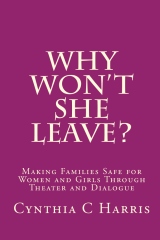
The workshop brings together two very important education and advocacy texts; “Girl We Need to Talk” and “Why Won’t She Leave?” for the first time. The creators and master facilitators, Dia S. Hodnett and Cynthia C. Harris offer instruction on the use of these theatrical and dialogue tools to highlight the importance of black women’s social and spiritual networks in the prevention of domestic violence (DV). Through this experiential learning process, participants will be able to use these tools to: increase awareness about DV services, introduce appropriate social support and safety planning techniques, and present age appropriate programming.

Visit BCDVI’s website for more information about the conference.

Uncategorized

Black Women and Unearned Leisure

“Safe homes allow women and girls to experience rest and pleasure.” – Is Your Family Safe for Women and Girls? pt V

Many of us are working beyond exhaustion in all of our intimate relationships, be they work, political, religious, familial, social, or romantic in nature.  It seems that over-extended Black women are the norm, regardless of class.  In fact class mobility seems to give us perhaps a more thorough to do list, one that layers in guilt for anything that could be considered “extra.”   Not only are our time and material resources expected to serve the general “us/other”- all of our connections to identity groups,  but even our health and joy are required for sacrifice.

The concepts of rest and Black women are hardly related to each other in our culture.  If we take a moment to imagine a Black woman resting, or rather not engaged in a service oriented activity, what thoughts or feelings arise?   The image of a resting Black woman usually prompts some variation of the question “what did she do to earn that rest?”  If she has not “earned” that rest, then we label her as lazy or assign some other attribute with negative implications.  The notion of earning rest also assumes that in our collective imagination Black women can indeed “earn” rest.  Yet in reality our shared belief is that if a Black woman has time or space to rest, naturally she should be assigned more work.

Rest is absolutely necessary for optimal health.  So if in our culture Black women are not deserving of rest, then too in our culture Black women do not deserve optimal health.

Uncategorized

Is Your Family Safe for Women and Girls? pt V

Making families safe for women and girls is the necessary work of every human on this planet.

Safe homes allow women and girls to experience  rest and pleasure.

Safe homes allow women and girls to be exquisite caretakers of themselves.

Safe homes allow women and girls to be the center of their own lives.

Safe homes are spaces where women and girls can explore the thoughts, feelings and experiences that bring them deep satisfaction and pleasure.

Uncategorized

Is Your Family Safe for Women and Girls? pt IV

“when women respond appropriately to violating acts in public spaces, we are often treated as the source of disturbance, the offensive presence.  We are the ones told to calm down and are escorted to less populated spaces, as though our interruption of violence has caused the scene, rather than the provoking  incident.”

-Is Your Family Safe for Women and Girls? pt III

Responding appropriately to violence in family settings, to that very real  intimate terrorism, is no easy task.  It requires going against family norms and gendered behavioral codes we have consumed since birth.  We learn early when our emotional discharge is “too much” and that our silence is the best way to receive affirmation and praise.

I remember two recent instances very vividly during which women’s responses to violence seemed to cause more upset than the actual incident of violence.  At each occasion a woman was participating in a normal routine, either performing a duty at a public event or relaxing at a festive gathering.  At each occasion a male attendant at the event became angry when his attempt to alter the flow or predetermined activity in his favor, was met with no.  At each occasion the individual men became loud and aggressive, making threats or disparaging comments, both clearly inappropriate responses.  At each occasion, the woman’s no was not accepted or respected.  The first layer of the violation is in not accepting the NO.

The second layer of violation is in the responses of other male bystanders and witnesses-participants.  At each occasion one or more men attempted to bring the violent episode to a conclusion.  At each occasion minimal effort was put into addressing the offending males behavior by stating what  behavior on the offenders part would have been most appropriate or by stating that offending the woman verbally or sexually was behavior that would not be tolerated in that shared space.  At each occasion the male bystanders and witness-participants acted most quickly and thoroughly to silence the offended woman, verbally implying that her response, her anger or outrage was making the current situation difficult and uncomfortable.  At each occasion, the offended woman was told to “calm down” and if she did not immediately become silent she was labeled as “overreacting .”

I do not mean to over-simplify the experience of witnessing violence as a male or female.  Violence causes old and present terrors to lock our muscles and voices, freezing us in time.  It is very difficult to have any response other than shock and terror when violence is witnessed.  But when we are able to speak and act, we must speak and act appropriately.  Even if witnessing violence terrifies us, such that we are not able to intervene, we must never seek to silence the victim of violence  as a means of managing our own fear.

Events, Uncategorized

WWSL: National Black Arts Festival 2006


An excerpt from publicity materials:

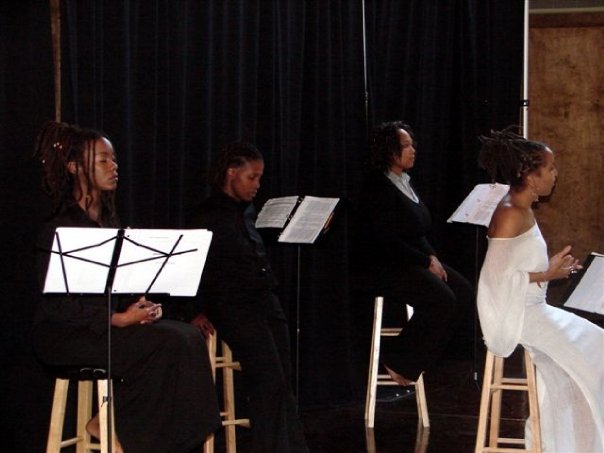
 We are currently gearing up for our presentation of “Why Won’t She Leave?” at 7 Stages Theatre in Atlanta, Georgia. The dramatic performance and post discussion will take place during the National Black Arts Festival, July 14th – 16th, 2006. “Why Won’t She Leave?” is an innovative fusion of monologue and dialogue that tells the riveting story of one woman’s experience in a turbulent relationship. The performance vividly details her initial search “outside herself for love” and finally for restoration. The work explores relationships between men and women and the tremendous power of our words to hurt and heal.

In addition to the performances, Healing Waters is hosting a creative workshop for teen girls on Saturday, July 15, 2006, focusing on dating violence. Your tax deductible donation will be used to help defray the costs associated with the production and sponsor a young woman’s participation in the workshop. 

Healing Waters Productions is fiscally sponsored by The Black Church and Domestic Violence Institute, a 501(c)(3) nonprofit organization. 


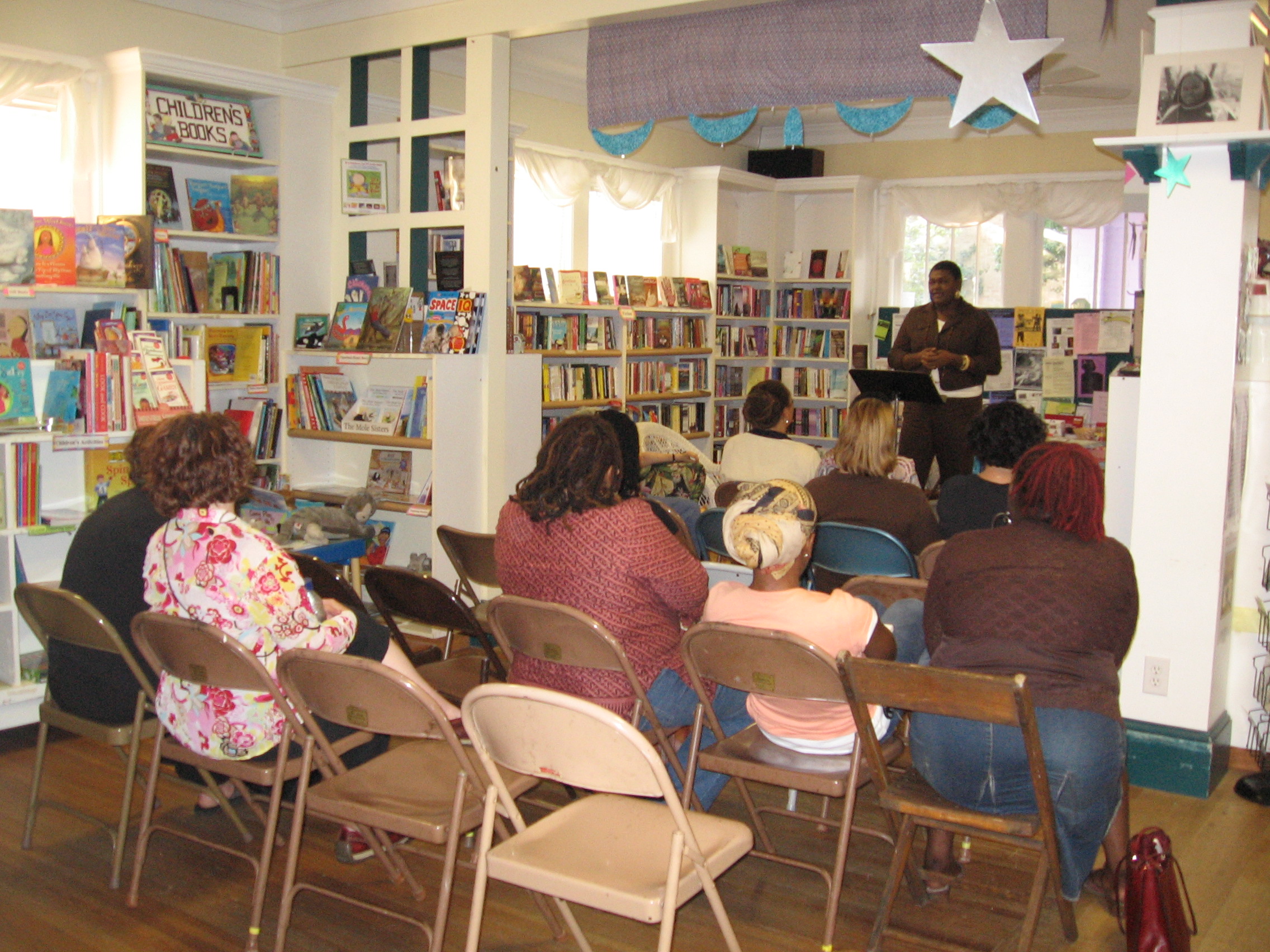
Wednesday, July 12th at 7pm – Artist Talk at Charis Books and More 
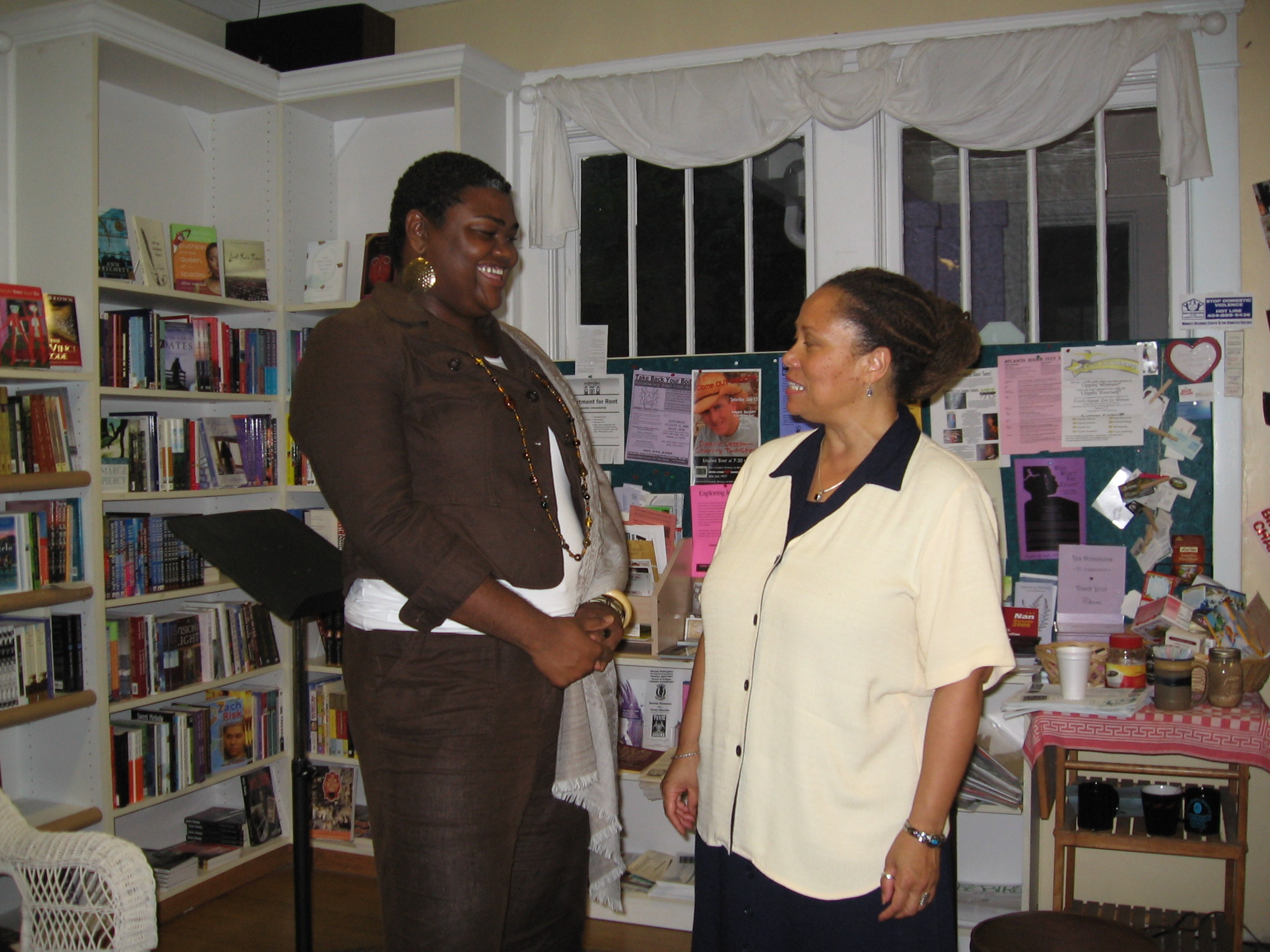
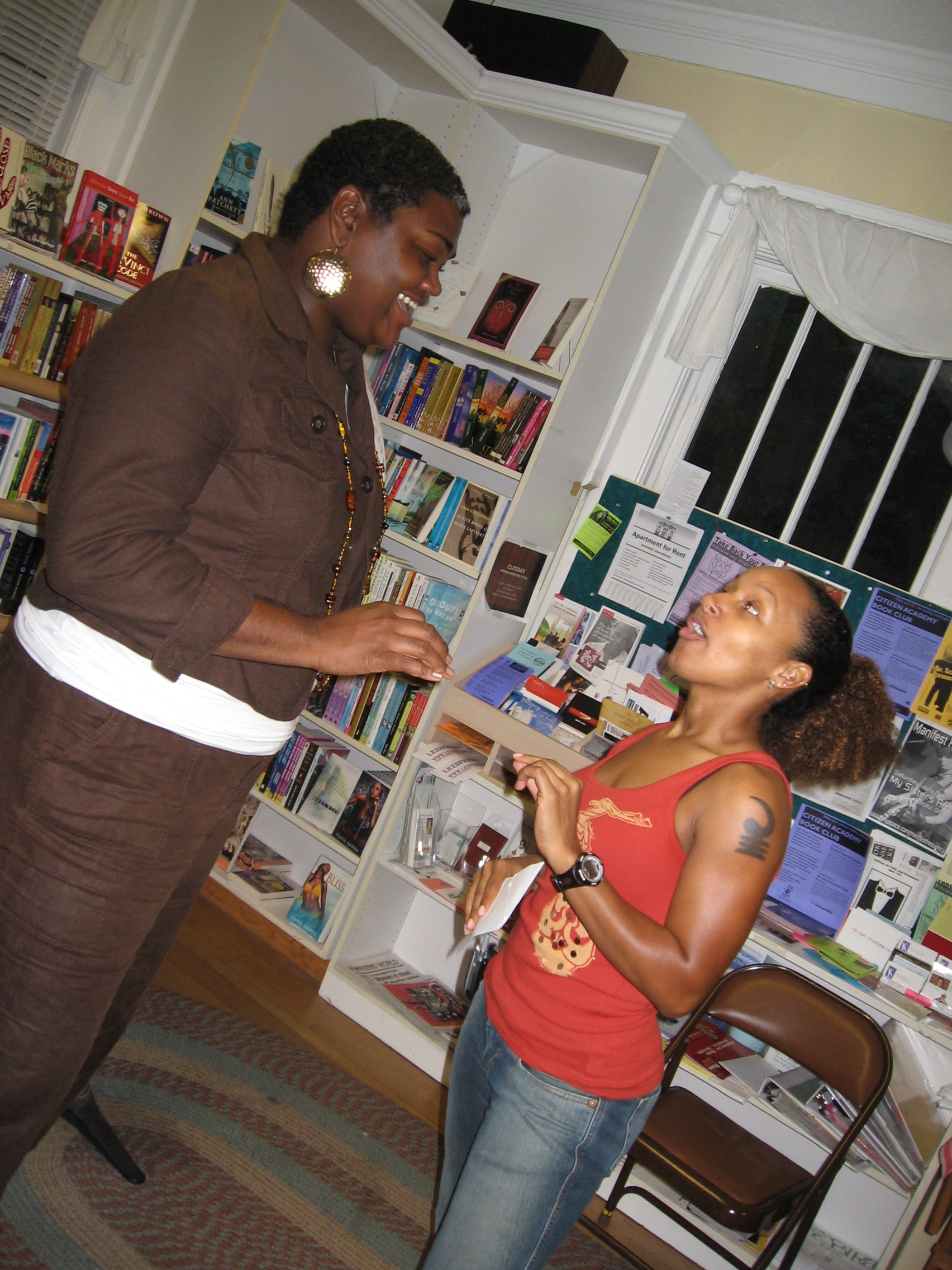
clockwise from top:
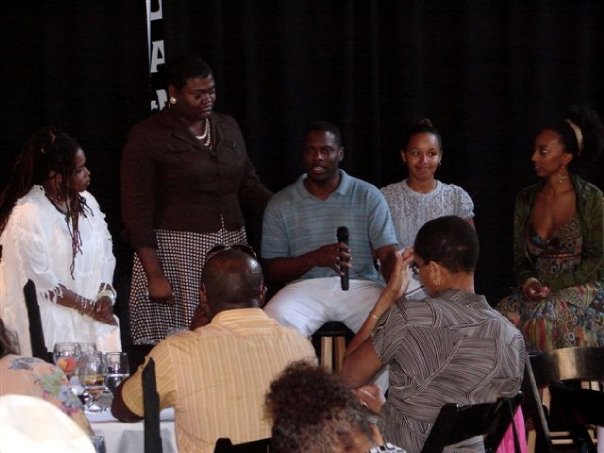
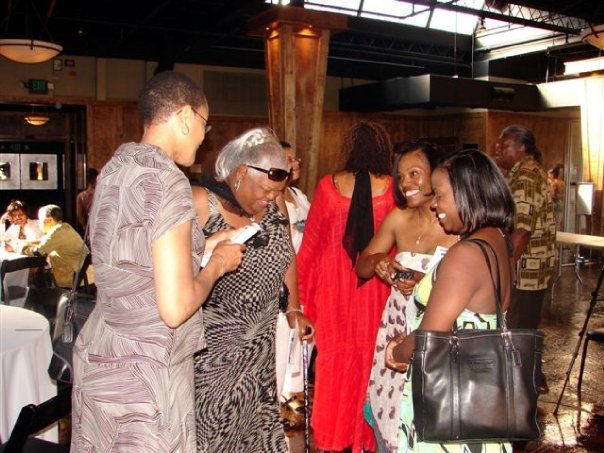
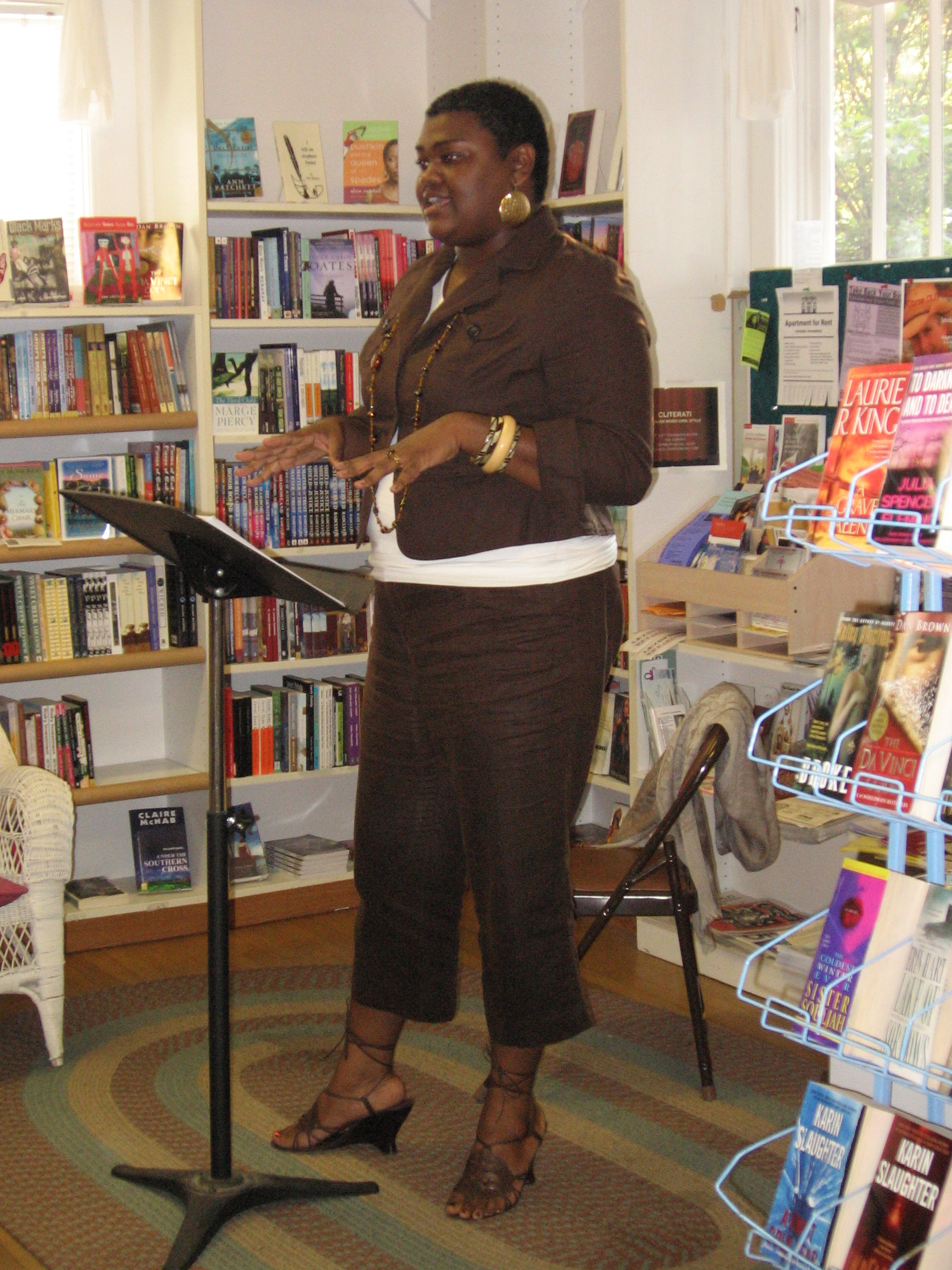
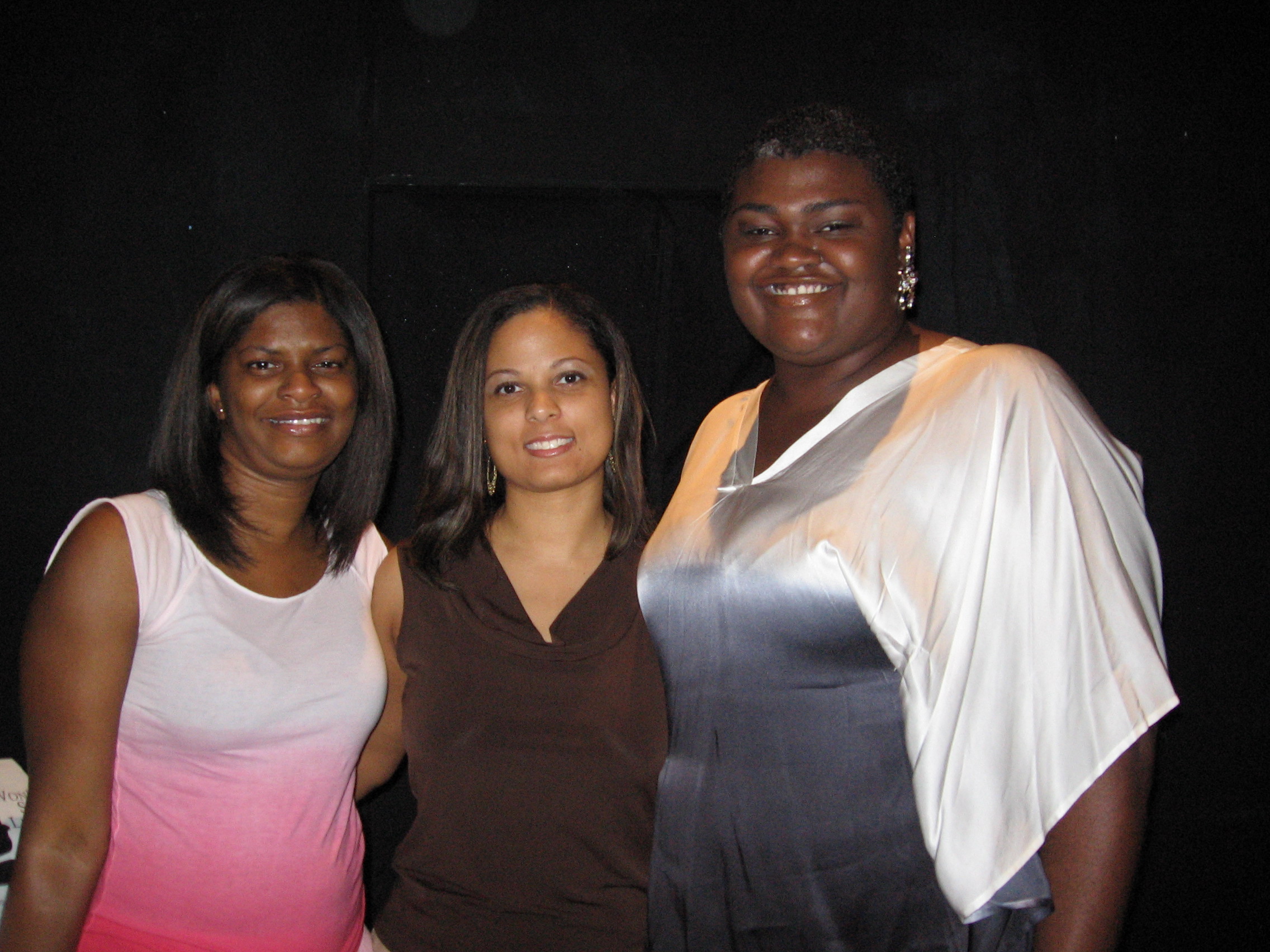
Cynthia and Rev. Aubra Love, Founding Executive Director of The Black Church and Domestic Violence Institute; Cynthia and Dia Hodnett; Charis audience


Friday, July 14, 2006 at 7 Stages Theatre in Atlanta, GA

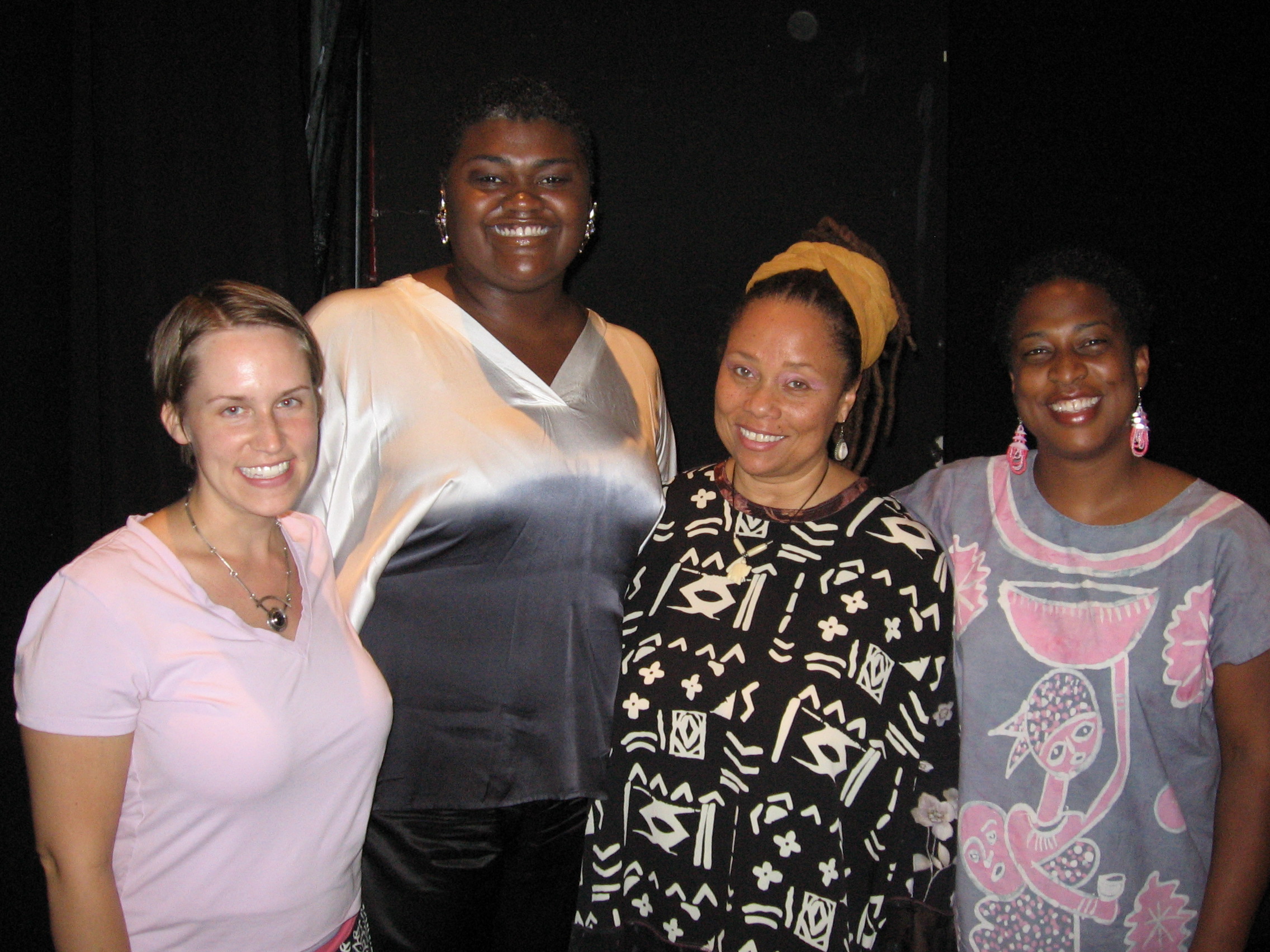
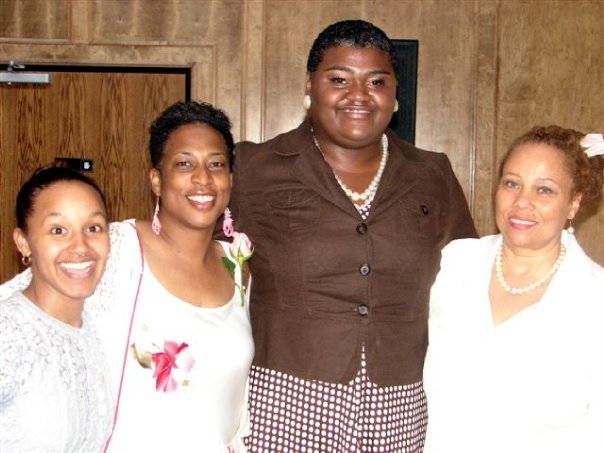
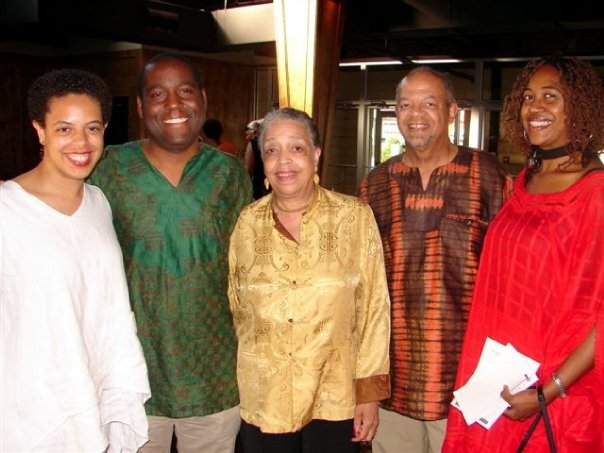
Members of the Black Church and Domestic Violence Institute leadership and Clergywomen’s Alliance l to r: Rev. Amanda Hendler Voss, Cynthia, Rev. Aubra Love, Founding Executive Director of BCDVI and Min Patsy White, Associate Director of BCDVI


Events, Uncategorized

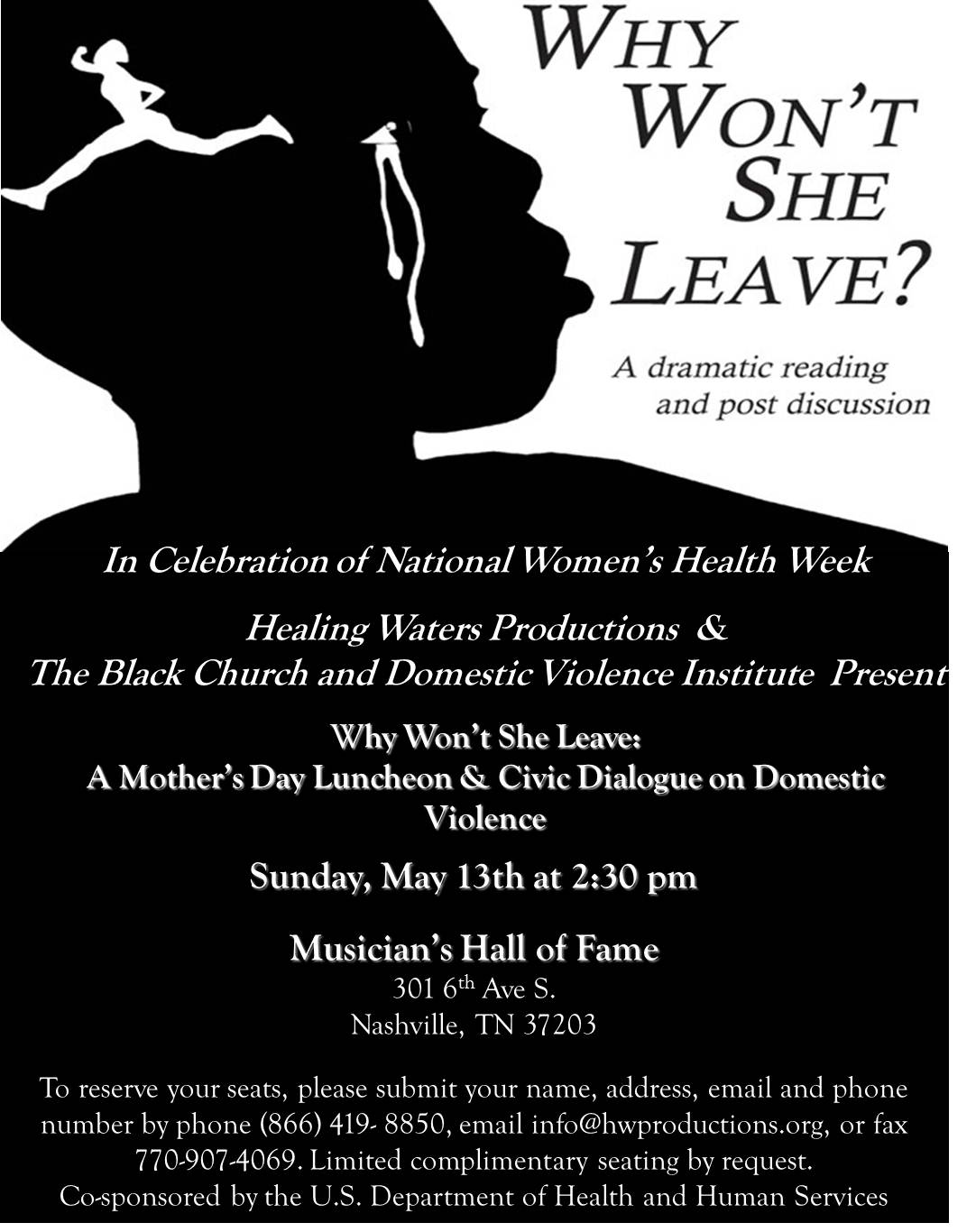
A Mother’s Day Lunch & Civic Dialogue on Domestic Violence

In Celebration of National Women’s Health Week

A Special Mother’s Day Luncheon and Dramatic Performance, “Why Won’t She Leave?”
May 13, 2007

Presented by Healing Waters Productions
and
The Black Church and Domestic Violence Institute

Co-Sponsored by the U.S. Department of Health Nd Human Services

Nashville, TN – Healing Waters Productions, an Atlanta-based educational theater collective, will present “Why Won’t She Leave?” an original work that explores the impact of domestic violence on victims and their families.  The May 13th performance will take place at 2:30 p.m. at the Musician’s Hall of Fame, located at 301 6th Avenue South.  This event is open to the public; and is recommended for mature audiences due to strong language and content.  Event organizers are particularly focused on introducing the work to local organizations that provide counseling and other services to women.

“I am a native Nashvillian, and I’m very proud to be here doing my life’s work.  In this symbolic homecoming, we are looking forward to partnering with local domestic violence and women’s health organizations and allies to build a network for training, education, and social change.”      – Cynthia C. Harris.

“Why Won’t She Leave?” (WWSL) has been presented to diverse audiences around the United States for more than two years.  The May 13 production is in collaboration with The Black Church and Domestic Violence Institute (BCDVI).

“We intend to engage communities, leaders, service providers and public servants with fresh conversations about domestic violence using the piece [WWSL] as an applied theatre educational tool.  BCDVI is an integral part of this process—through our partnership we are able to develop, organize and implement trainings that are sensitive and specific to the needs and goals of each audience.  One important lesson that we have learned through our organizational development is that successful collaborations are instrumental in creating appropriate and sustainable responses to violence against women.” – Cynthia C. Harris.

General admission tickets for this event are $20.  Student and Senior tickets are $15.  RSVP and advance ticket reservation are strongly encouraged.

About Healing Waters Productions

Healing Waters Productions is a collective of African heritage women sharing and theorizing about the very specific position of being socialized as women in the United States. As a production company offering arts-based education and training for social change, Healing Waters provides opportunities for women to notice, name, and voice their authentic experiences.  The mission of Healing Waters Productions is to merge public health theory and practice with the creative arts for the purpose of liberating the voices, bodies and spirits of all women.

About Cynthia C. Harris, Founding Playwright & Visionary

Ms. Harris is a Writer/ Performance Artist/ Dancer/ Activist/Health Educator/ and proud southerner.  Her work in the field of women’s reproductive health research has fed an appreciation for the analytical and provided her with the opportunity to study human behavior. These experiences and her artistic talents that range from creative writing to international dance, have combined to create an informed, vocal advocate for women’s health issues. Her first performance piece, “Phrases of Womanhood”, has been performed since 2002 in Tennessee and Georgia by the Phoenix Ensemble. Her performance piece, “Why Won’t She Leave?” has been presented nationally since its debut in 2005.

About The Black Church and Domestic Violence Institute

The Black Church and Domestic Violence Institute (BCDVI) founded by the Rev. Aubra Love, trains faith-based leaders in the appropriate response to domestic violence. Incorporated in 1998, The Institute supports a network of clergy, lay leaders and agencies committed to ending domestic violence among women of faith within the continental United States and Caribbean. Headquarters of the National Clergywomen’s Alliance, BCDVI provides organizational development to women’s ministry efforts that promotes communities organizing and local responses to domestic violence.

Contact: Dia S. Hodnett, Director of Training and Special Events, Healing Waters Productions and National Board member of The Black Church and Domestic Violence Institute.   Email: diahodnett@gmail.com